

Crafting Seamless User Journeys: Architectural Principles and Case Studies in UX Design

In user experience design, creating seamless user journeys is essential for success. As both an architect and a UX designer, I find that architectural principles can greatly enhance user interactions. By drawing inspiration from physical design, we can influence digital navigation in powerful ways.
This blog post explores intuitive navigation, examining how architectural layouts can guide design decisions to improve user experiences. Through key architectural principles and real-world examples, I hope to shed light on the intersection of architecture and UX, helping you design better user journeys.
Intuitive Navigation Inspired by Architectural Layouts
To understand how users navigate digital products, picture their journey as a physical path through a well-designed building. Architectural layouts emphasize user flow, serving as a guide for effective UX design.
For instance, using visual hierarchies similar to architectural order can simplify user decision-making. Just as paths within a building create an intuitive experience without needing constant signs, websites can benefit from clear pathways that encourage exploration. Designers can create a hierarchy of information that guides users through options like a well-organized building.
Transitional spaces, which connect zones in architecture, also play a crucial role in digital products. Consider landing pages as these transitional spaces, guiding users toward deeper content while balancing complexity and simplicity. These pages prepare users for what they will encounter next, enhancing their journey.

Utilizing Spatial Design to Improve User Interaction
Spatial design is vital in both architecture and digital platforms. In architecture, the arrangement of elements within a space significantly influences how individuals interact with their environment. This principle translates well into the digital landscape.
Creating zones within an app or website helps users navigate their journey. For example, just as a kitchen serves cooking needs and a bedroom offers rest, sections of a website provide specific functions. Organizing information into familiar clusters reduces cognitive overload, making it easier for users to find what they need.
A smooth sense of flow complements this approach. In architecture, moving from one space to another should feel natural. In UX design, achieving a cohesive flow involves animations and logical content progression. For example, when users navigate seamlessly from a product page to the checkout process, their positive engagement increases. Studies show that websites with intuitive design can increase sales by up to 50%.
Case Studies on Merging Architecture and UX for Optimal User Journeys
Let’s explore a couple of case studies that demonstrate how architectural principles merge with user experience design.
1. Museum of Modern Art (MoMA)
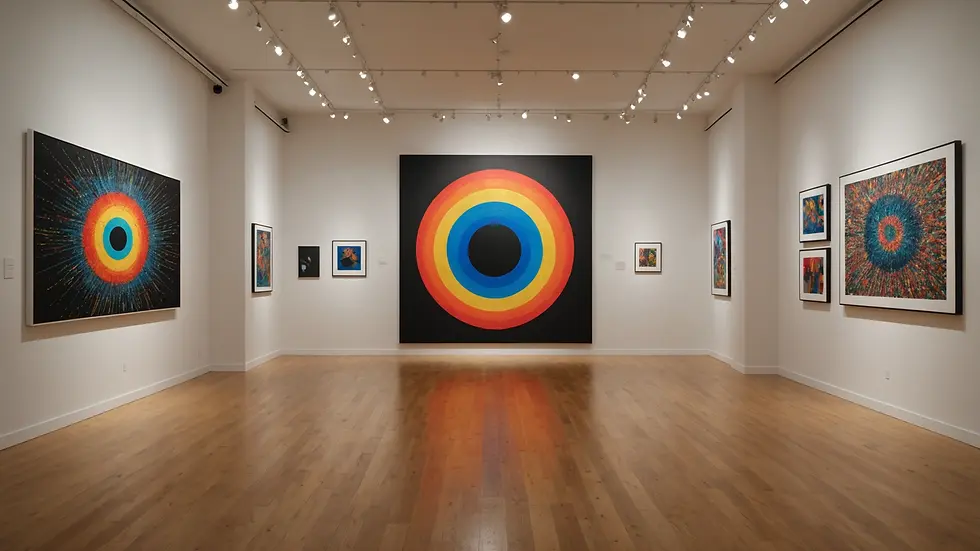
The Museum of Modern Art in New York City exemplifies intuitive navigation. Its clear and thoughtful layout allows visitors to explore various exhibitions without feeling lost.
Open spaces act as transition areas between exhibitions, encouraging visitors to pause and engage before continuing. This architectural design fosters a continuous experience, much like an ideal digital navigation system where users move smoothly from one page to another.
2. Airbnb
Airbnb's platform is a compelling study in zoning and intuitive navigation. Their layout separates functionalities like searching, booking, and reviewing into distinct sections, simplifying the user journey.
The use of ambient visualization cues, such as shadowed backgrounds and dividers, creates a layered feeling, echoing architectural spaces. This thoughtful design fosters an inviting atmosphere that guides users as they find and book their next vacation home. Data shows that Airbnb's streamlined process contributes to a 25% increase in completed bookings, highlighting the impact of effective UX.
Final Thoughts on Merging Architecture and UX Design
Crafting seamless user journeys requires understanding architectural principles that enhance user interactions. By drawing from spatial design and intuitive navigation, designers can significantly improve users' digital experiences.
Through intentional design choices that reflect architectural principles—like creating clear paths of information or using zoning to organize content—we shape interactions that feel effortless and engaging. As we continue to merge architecture and UX design, we enhance our tools and ultimately deliver more intuitive user experiences. By embracing these principles, we can create designs that showcase the beauty of seamless movement, not only in the digital realm but in the physical world as well.



Comments