

Unleashing Creativity: Harnessing Nature's Wisdom for Revolutionary UX Design Solutions

In the world of user experience (UX) design, inspiration can spring from the most unexpected sources. One of the richest fountains of ideas is nature itself. Biomimicry, which involves emulating nature's proven patterns and strategies, offers valuable insights for UX designers, architects, and content creators. By tapping into nature's wisdom, professionals can craft innovative solutions that truly enhance user experiences.
What is Biomimicry?
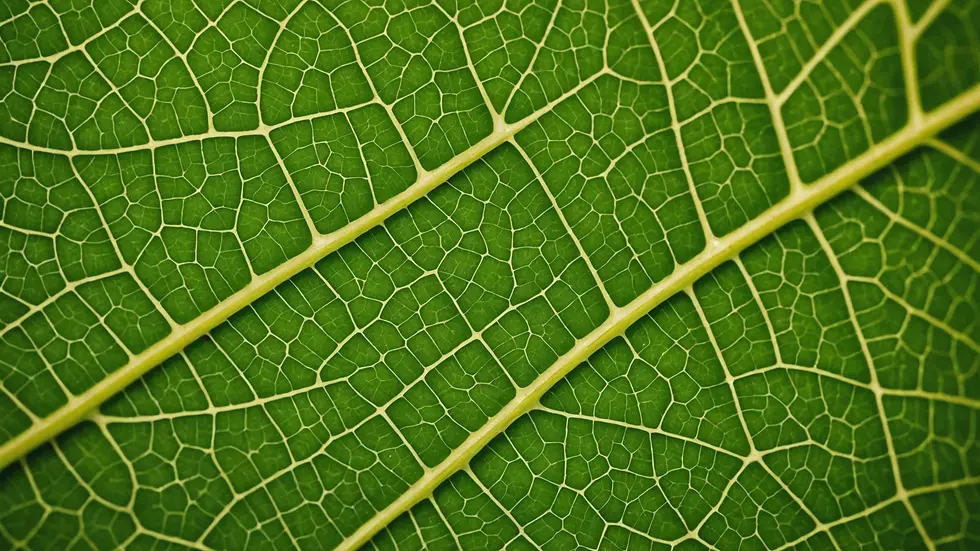
Biomimicry is the art and science of looking to nature's designs to tackle human challenges. This approach doesn't stop at superficial observations; it digs into the core principles that guide natural systems. For instance, researchers found that the unique structure of a leaf allows it to absorb up to 95% of sunlight. This principle can guide UX designers to create interfaces that are not only appealing but also super functional.
Nature as a Design Mentor
Drawing Inspiration from Natural Patterns
Nature’s patterns offer a well of ideas for design improvement. A prime example is the Fibonacci sequence, a natural pattern found in everything from the arrangement of leaves to the spiral of shells. When designers incorporate Fibonacci principles into their layouts, they create a harmonious balance that tends to engage users better. Studies show that balanced designs can increase user retention rates by up to 25%. Using spiral patterns on a webpage, for instance, can guide users' eyes smoothly across the content, making for a more enjoyable user journey.
Biophilic Design: Connecting Users with Nature
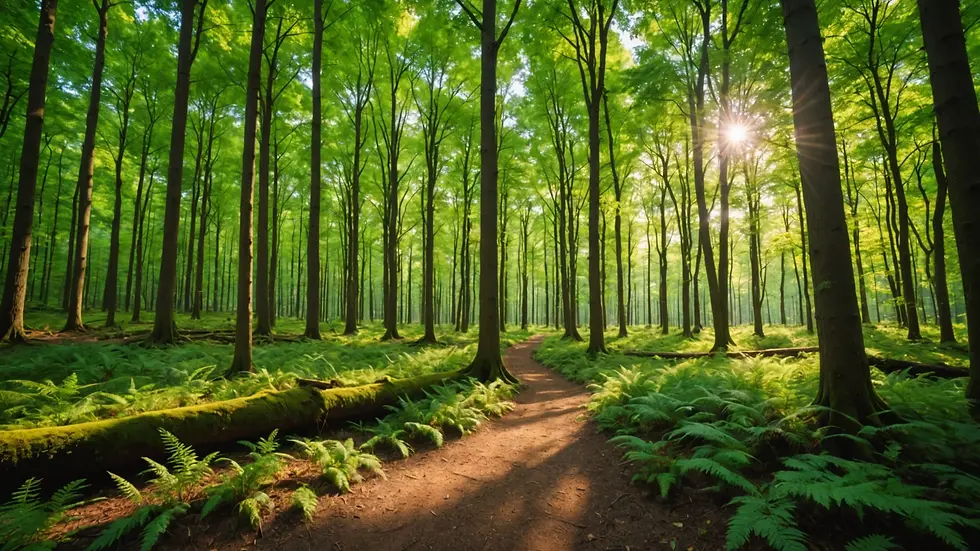
Biophilic design focuses on fostering a connection between users and the natural world. By incorporating elements from nature, like earthy colors or organic shapes, designers can create environments that improve user well-being and engagement. Studies have shown that biophilic designs can reduce stress levels by up to 60%. For example, a travel website that uses soothing green and blue hues, along with images of landscapes, can evoke feelings of calmness and inspire creativity.
Learning from Natural Systems
Adaptation and Resilience
Nature is a master of adaptation. Organisms continuously evolve to thrive in various environments, offering valuable lessons for UX designers. For instance, the way certain birds are known to alter their nesting techniques based on available resources can inspire ways to develop adaptable interfaces. A website that automatically adjusts to a user’s screen size—be it a smartphone or a laptop—improves usability significantly, often leading to increased conversions of up to 47%.
Simplicity and Efficiency
Simplicity is a key takeaway from nature. Many living organisms thrive on minimalism, focusing only on what is essential. By applying this principle, UX designers should aim to create streamlined interfaces free from clutter. Research indicates that reducing cognitive load improves user satisfaction by up to 50%. For example, an e-commerce site that limits on-screen options during the checkout process can lead to fewer abandoned shopping carts.
Examples of Biomimetic UX Design
Case Study: Better User Onboarding
Several companies have embraced biomimetic principles in designing user onboarding experiences. Imagine a bird leading its chicks to safe foraging spots. Designers can implement onboarding processes that naturally guide users, encouraging exploration without information overload. Utilizing progressive disclosure techniques—where information is unveiled as users navigate—can echo the natural, intuitive learning process observed in nature, leading to smoother onboarding experiences that often enhance user retention rates.
Case Study: Responsive Design Inspired by Animal Movement
Responsive web design can find inspiration in the graceful movement of animals. Take fish swimming through water, for example; their fluidity can prompt designers to create interfaces that respond seamlessly to user actions. Think of playful transitions on a webpage, like duck pond animations that mimic water movement. These design choices enhance interactivity and satisfaction, resulting in longer engagement times and fewer bounce rates.
Future of Biodesign in UX
The potential of biomimicry in UX design is far from exhausted. As designers continue to draw lessons from the natural world, they will discover innovative solutions that prioritize user experience while reducing friction.
Collaboration Between Disciplines
For the full benefits of biomimicry to be realized in UX design, collaboration among architects, UX designers, and content creators is crucial. When these professionals join forces, they can craft experiences that harmonize with nature-inspired principles. Consider a project that integrates physical and digital spaces in a way that evokes natural aesthetics—this could lead to richer user interactions and an enhanced understanding of user needs.
Unleashing Creativity through Nature's Wisdom
Biomimicry is not merely a passing trend; it offers transformative potential for UX design. By looking to nature as a source of inspiration, UX designers, architects, and content creators can unlock innovative solutions that elevate user experiences.
As we incorporate nature's principles into our design processes, the paths to innovation become clearer. By focusing on balance, simplicity, and adaptability, we can craft products that deeply resonate with users.
Now is the time for UX professionals to embrace their creativity and explore design processes inspired by nature. Together, let's redefine user experiences to inspire and engage users worldwide.



Comments